





FMT, Stem Cells & Our Autism Journey, What Really Helped Us
A personal perspective on autism, the gut-brain connection, FMT, and stem cell therapy. An honest story supporting autism awareness, realistic expectations…
 Nina Bakalová15 October 2025 · 2 min read

FMT, Healing the Gut, the “Second Brain”
You know how people say “the gut is our second brain”? Well, it turns out there’s a lot of truth in that. Our intestines and brain constantly “talk” to each other through something called the gut-brain axis. When your gut bacteria are off balance, it can affect mood, focus, even how calm or anxious you feel.
That’s what FMT tries to fix by restoring healthy gut bacteria from a donor.
For us, this was actually the approach that made the most sense. We noticed small but real changes: better digestion, calmer days, fewer meltdowns, and more balance overall. It’s not a miracle cure (I don’t think that exists), but it felt like a gentle, natural nudge in the right direction.
Every person reacts differently, though. I know families where the progress was huge… and others who didn’t see much at all.
Stem Cells, The More Experimental Route

Stem cell therapy is still a bit on the alternative side when it comes to autism. But around the world, there are now studies and real families reporting positive results. Some children start communicating more, showing emotions, or seem to “wake up” in a new way.
We tried it three times in a row. Honestly? We didn’t really see a clear effect. That doesn’t mean it doesn’t work. It just didn’t work for us. I know parents who swear by it and would do it again in a heartbeat.
So I’d say: if you’re considering it, keep your mind open but your expectations realistic.
What We’ve Learned
If there’s one thing I’ve learned, it’s that there’s no universal key for autism. Each child, each body, each journey is unique.
For our family, FMT felt like the right direction, more natural, more in tune with how the body works. But that’s just our story.
Whether it’s FMT, stem cells, or something entirely different, the best thing we can do is stay curious, kind, and informed. And always remember: progress comes in many shapes and sizes.
Mom of two and co-founder of TAMITOS. For several years I have walked alongside our daughter on the autism spectrum, sharing real experiences from everyday life to bring more understanding and practical information to parents and everyone around them.
More articles
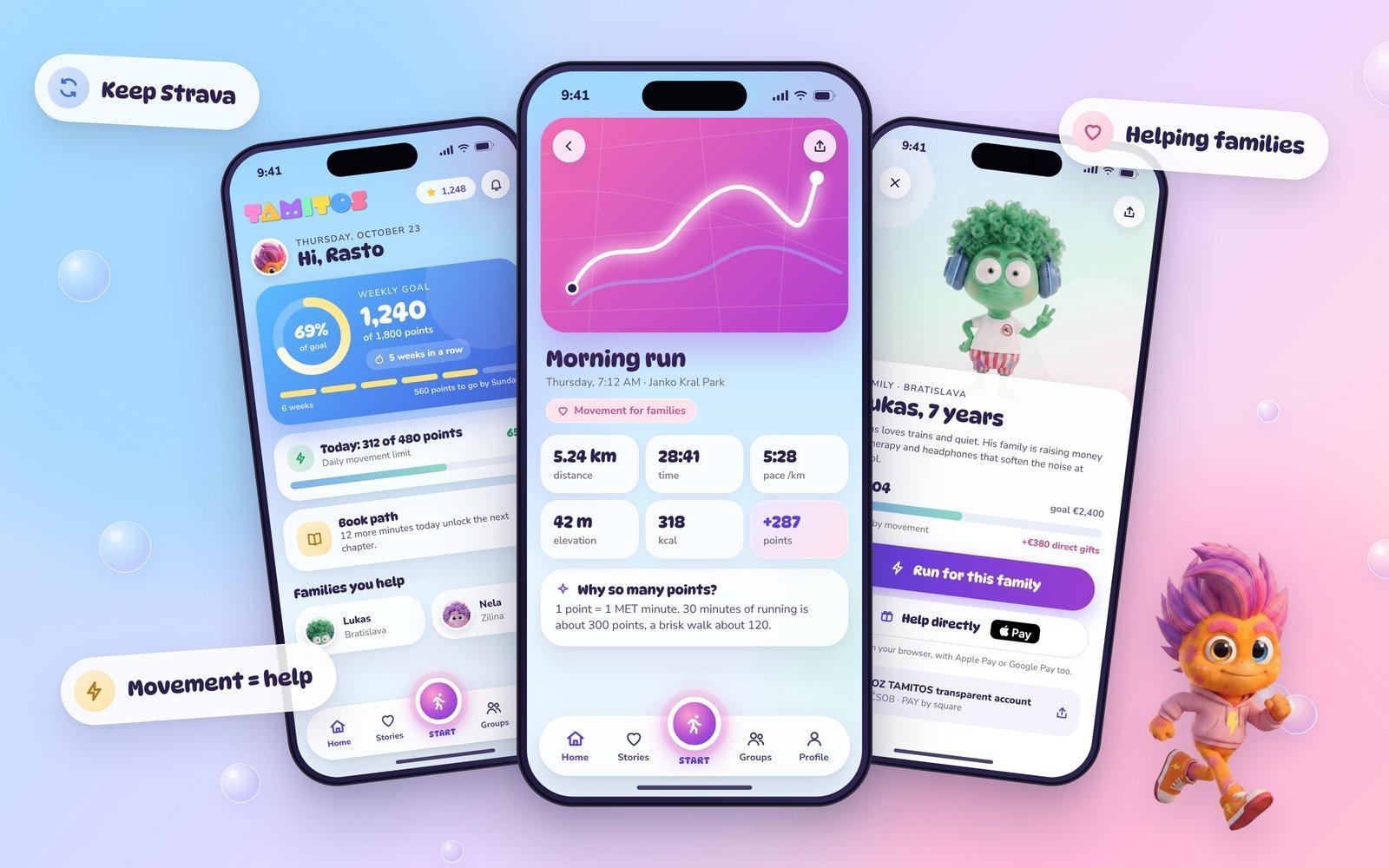
TAMITOS Move vs Strava: why run with an app that helps
TAMITOS Move is not just a charity app. It records your runs, walks and rides, gives you groups, photos, comme…
Autistic person or person with autism: why asking matters
Both “autistic person” and “person with autism” can belong in a respectful conversation. When referring to a p…
Leaving the playground: agreeing on the end of play
A final turn can mean different things to a parent and a child. Plan the end of playground time with honest ch…
 Free