




Leaving the playground: agreeing on the end of play
Agree on the end of playground time with a clear final step, genuine choices and room for packing up. A practical plan without promises of no tears.
 Nina Bakalová23 October 2026 · 5 min read

Before leaving a playground, explain what is ending and what will happen next. Agree on a small final step you can actually honour, and allow time for shoes, toys and goodbyes. A clear plan can provide a reference point, but it cannot promise a departure without sadness, protest or an unexpected change.
You are looking for the keys. The bucket is still beside the sandpit, and your child has just started another tower. For you, the visit is ending. For them, a new part of the game has begun. “I already said we were leaving” does not, by itself, resolve those different expectations.
These suggestions concern family arrangements, not therapy or obedience training. They can be relevant to families with autistic children, while recognising that communication and support needs differ. One difficult departure cannot establish a diagnosis.
When does play actually finish?
Ask yourself before arriving. Do you have a bus to catch, or is there some flexibility? If the deadline is fixed, do not offer a choice you cannot honour. “We leave in time for the bus” means something different from “we leave when you have finished”.
The Alannah & Madeline Foundation discusses advance notice, acknowledging feelings and opportunities to finish an activity when supporting transitions. Its guidance does not guarantee a particular playground outcome.
Parents need a practical plan too. If the bus leaves at four, the last activity cannot begin at four. Allow for walking to the gate, finding a missing spade and helping a younger sibling with shoes. A hurried departure may contain several unfinished adult tasks as well as an unfinished game.
What does “a little longer” mean?
For one person, it means two minutes. For another, it sounds like an open-ended promise. Use an explanation your child understands. Some children find a time reference useful; others need a concrete final action. No single format suits everyone.
Playgroup WA's transitions resource describes advance reminders and different cues within playgroup routines. A family playground visit does not require a bell, song or timer simply because a group setting might use one.
Original model example: A parent and child agree on one final slide. There turns out to be a long queue. The parent explains the new situation: “The queue is longer today. We have time to wait for one turn, then we go to the gate.” If there is no time to wait, waiting should not be presented as an available choice.
This fictional example does not promise a calm departure.
Which choices are real?
If leaving is necessary, “Shall we go home?” can sound like a decision when the answer has already been made. A clearer statement might be: “We are going home. You can carry the bucket, or I can carry it.” Only offer options that are genuinely available.
The point is to explain what is fixed and what remains open. It is not to disguise an instruction as a game. Our haircut planning article makes the same distinction between an adult's preferred outcome and what has actually been agreed.
With two children, clarify their final activities before one is waiting at the gate while the other is still counting turns. Adults can also agree on who gathers belongings and who stays with the children.
What if there is disappointment anyway?
An agreement does not mean nobody will cry. You can acknowledge the feeling while describing what happens next: “You wanted to keep building. We are leaving now.” There is no need to explain the entire family schedule or persuade a child to feel excited about dinner.
Original model example: A child wants to take their sandcastle home. The parent explains that the sand stays at the playground. They could remember where the castle stood or take a photograph together without other children in the frame. The photograph is an option, not a condition for leaving calmly. If the child does not want it, it should not become another task.
Unexpected changes deserve an explanation too. Rain starts, or the playground closes early. Say what changed rather than pretending that was always the plan. If there is immediate danger, safety takes priority over completing the final activity.
This article does not offer a physical handling protocol or instructions for treating distress. It focuses on the agreements families can make around an ordinary visit.
What is worth noticing afterwards?
Not every departure needs an evening discussion. If you return to it, one specific question may be enough: “Was it clear what we meant by one last turn?” You can also note your own observation. Perhaps leaving took longer because a coat was missing rather than because the agreement itself was unclear.
Change one practical detail next time. Keep the small toys in one bag or begin packing earlier. Our guides to a first library visit and shopping when the checkout queue stops use similarly bounded planning.
A useful outcome is not necessarily a cheerful goodbye. It may be a clearer explanation, fewer forgotten belongings or discovering that the chosen final activity was impossible within the available time. Those are things a family can adjust without deciding that a child has failed.
Frequently asked questions
Do we need a timer?
No. Choose an explanation you understand and can follow through on. A timer is neither compulsory nor a universal solution.
What if we cannot honour the final turn we promised?
Explain what changed without blaming the child. Next time, choose a smaller or more precise plan that better matches the time and place.
Could we discuss different feelings through a story?
If everyone wants to read, yes. At TAMITOS we recommend our own Tale of Understanding for conversations about empathy. It is not a therapy or a playground departure manual. Check the linked product information for language and format, and choose a reading moment that suits your family.
Sources checked on 23 October 2026. Model situations are original editorial examples, not the author's personal memories.
More everyday conversations
A quieter shared activity can make room for a picture-book conversation about difference without singling out a child. That also connects with respecting how a person chooses to describe themselves.
Mom of two and co-founder of TAMITOS. For several years I have walked alongside our daughter on the autism spectrum, sharing real experiences from everyday life to bring more understanding and practical information to parents and everyone around them.
More articles
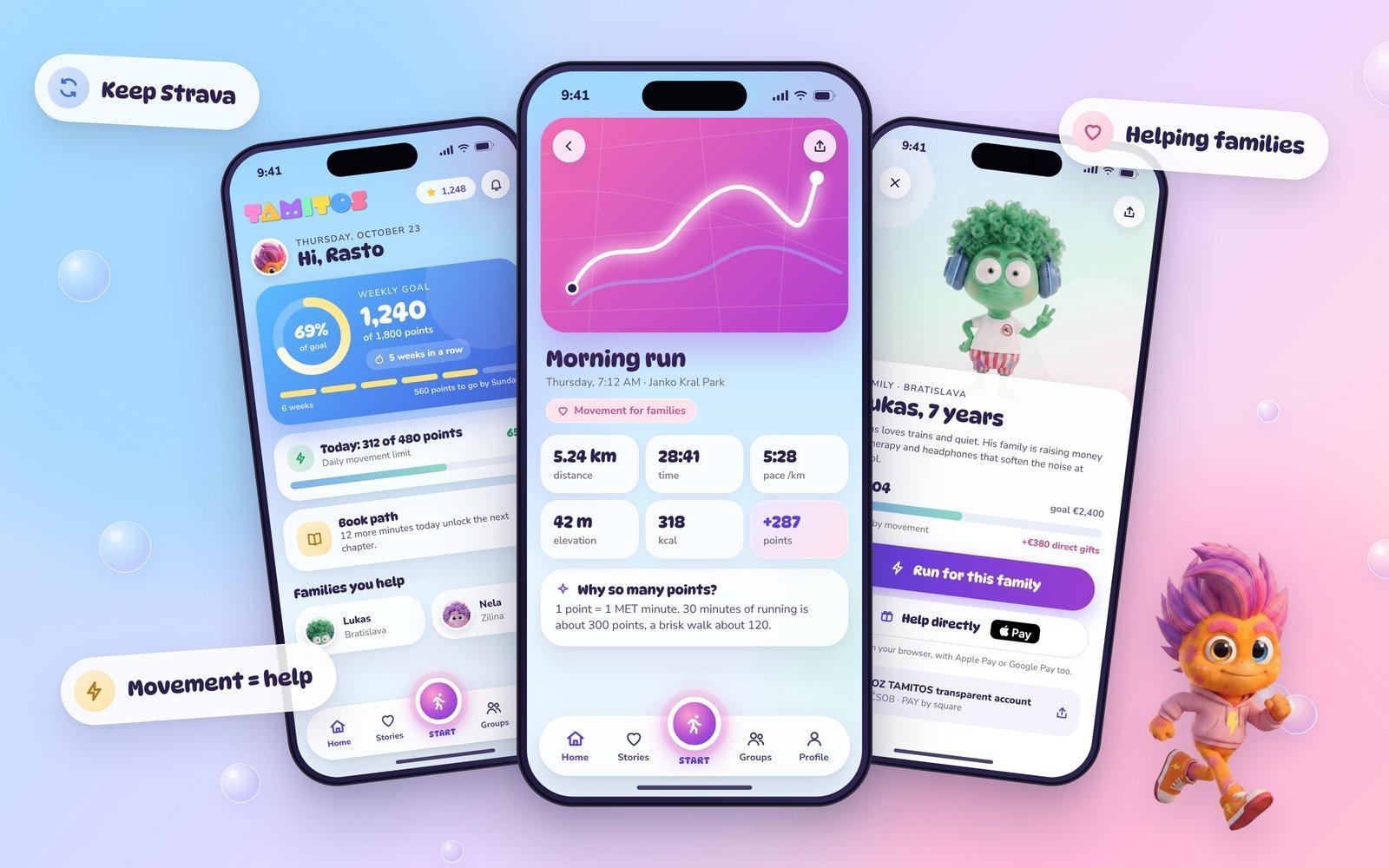
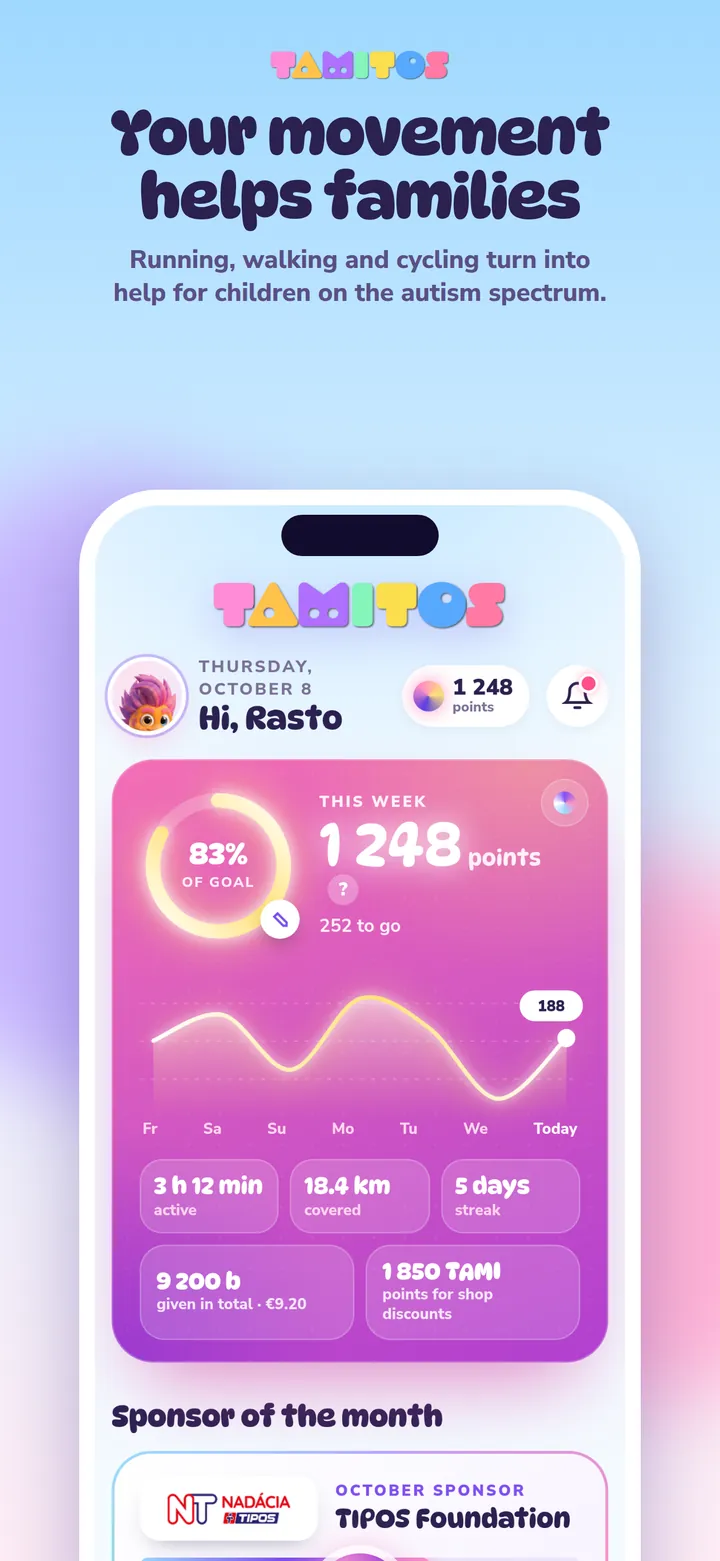
TAMITOS Move vs Strava: why run with an app that helps
TAMITOS Move is not just a charity app. It records your runs, walks and rides, gives you groups, photos, comme…
Autistic person or person with autism: why asking matters
Both “autistic person” and “person with autism” can belong in a respectful conversation. When referring to a p…
Picture-book reading in preschool: discuss difference without singling out a child
A shared story can open a conversation about difference without making one child the subject. Practical presch…
 Free