



How to explain autism to children: five conversations
Five model conversations about autism for parents and teachers, with practical wording, space for siblings and a simple classroom activity.
 Nina Bakalová17 August 2026 · 9 min read

Explain autism through a situation your child recognises, then offer one clear sentence: “An autistic person may experience things, communicate and learn differently from you. Sometimes they need a different kind of help to take part.” Ask what your child wants to know next. You do not need to explain everything at once or speak for another child.
The mixer starts. One child is excited about the cake. Another leaves the kitchen. A third asks, “Why is he covering his ears?” You can begin with what is happening rather than a lecture: “That sound might be uncomfortable for him. We can wait until the mixing is finished, or go into the next room.” Might matters. Watching someone does not tell us exactly what they are experiencing.
The conversations below are original TAMITOS model examples. They are not accounts of real families or a clinical programme. Ages are rough guides to vocabulary, not tests of understanding. A child may prefer a shorter sentence, a picture, a written question or more time, whatever their age.
What can we say accurately about autism?
Autism concerns how the brain develops and can affect communication, learning and sensory experience. It is not contagious. Support needs vary: some people need help with particular activities, while others need substantial everyday support. Avoid both “all autistic people hate noise” and “it is only a difference, so nothing is difficult.” The NHS introduction to autism gives a starting explanation.
Follow the person's preferred language. Both “autistic child” and “child with autism” can be appropriate depending on that preference. Do not turn either into a forbidden phrase. Before discussing a particular pupil's diagnosis with the class, agree what may be shared with the child, in a way accessible to them, and their family. You can discuss respectful behaviour without identifying anyone.

Five conversations for everyday situations
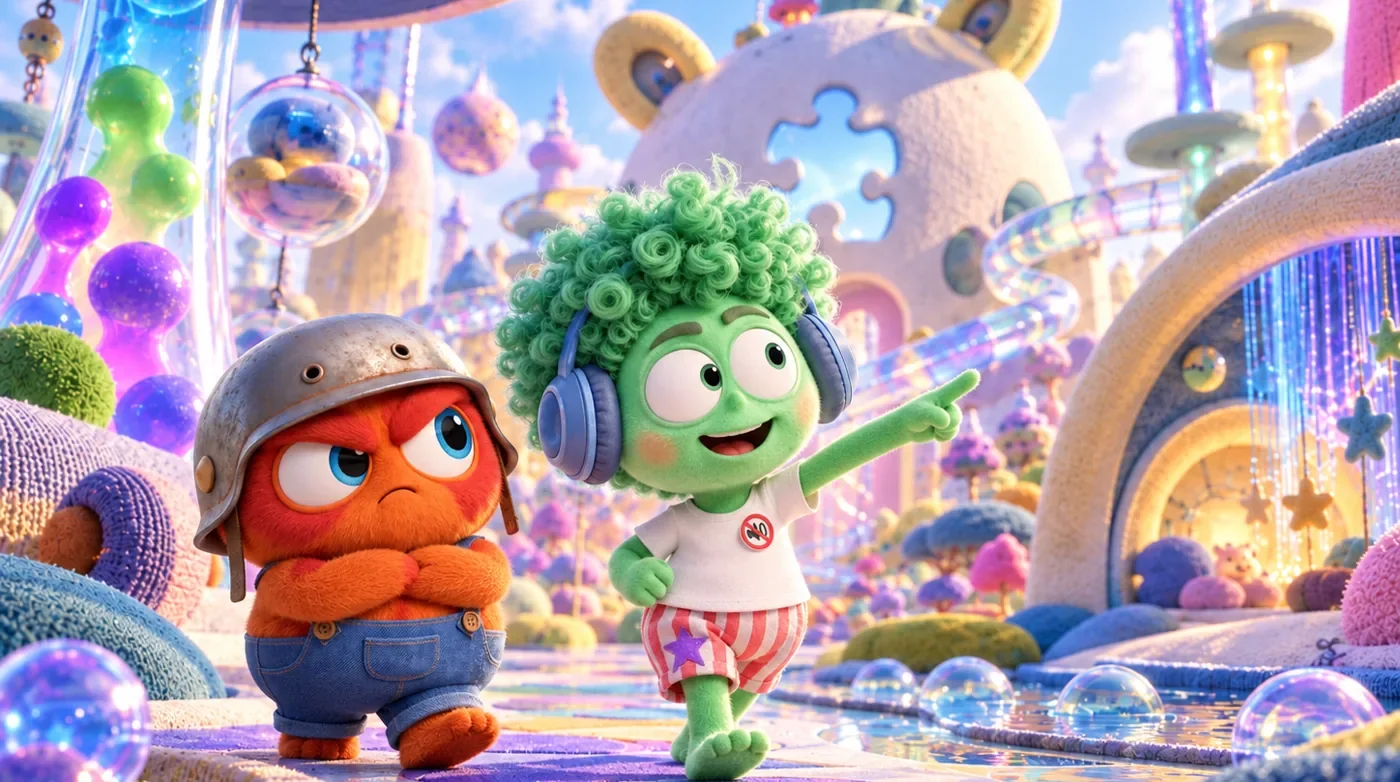
1. “Why is he wearing headphones?” Roughly ages 3 to 5
Child: “It isn't even loud.”
Adult: “It doesn't feel loud to you. That sound might feel uncomfortable to him. His headphones may help him stay here with us.”
Child: “Shall I take them off?”
Adult: “No. We can ask whether he would like to sit with us.”
You do not need to make a louder sound to prove a point. Leave room for two people to experience the same place differently. If the child asks about autism, it is fine to name it at this age. There is no birthday you must wait for before using the word.
2. “Why didn't she answer me?” Roughly ages 5 to 7
Child: “I said hello and she didn't say anything. Doesn't she like me?”
Adult: “We don't know that. She might need time, or answer another way. Let's ask one short question and wait.”
Child: “Would you like to build with the blocks?”
Adult: “You can show her the choices too. If she doesn't want to, that's OK.”
An invitation does not have to end in a shared game. No is an answer to respect. Do not make the child responsible for persuading someone, touching them or getting them to make eye contact.
3. “Why does my brother get a break?” Roughly ages 6 to 9
Sibling: “That's not fair. I want to stop too.”
Parent: “I can see you're upset. Your brother needs a break right now. I want to hear what you need as well.”
Sibling: “We never get time together.”
Parent: “After dinner, let's sit down with your comic. You don't need to check whether your brother has settled. That's my job.”
Do not promise time you cannot give. Agree a small, specific moment and follow through. A sibling may choose to help, but they are not responsible for another child's safety, behaviour or wellbeing. Their frustration and tiredness deserve a conversation of their own. Being understanding does not mean having no needs.
4. “He never wants to play with us.” Roughly ages 7 to 10
Classmate: “He just looks at his map.”
Teacher: “We don't know whether he wants company today. We can offer him a place at the table and say exactly what we're doing.”
Classmate: “Could he show us a route?”
Teacher: “We can ask. But he doesn't have to do the maps every time just because he likes them.”
An interest can open a conversation without becoming a permanent classroom job. The same respect applies when a child wants to work alone or their interests change.
5. “Do I have to tell everyone I'm autistic?” Roughly age 10 and above
Child: “I don't want everyone asking me questions.”
Adult: “We can think together about what you want to say, who you want to tell and what you want to keep private. You don't have to explain your whole life to the class.”
Child: “I just want them to know I need somewhere quiet at break.”
Adult: “Let's start there. We can agree with your teacher how to make that happen without lots of questions.”
Do not automatically speak for a child who can express their own view. Offer written choices or pictures if useful. They do not have to decide everything during one conversation.
How can a story lead to a useful conversation?
Choose one moment: a character leaves an activity, uses a picture to answer or does not understand a game's rules. Ask, “What do we know?” and “What could we ask?” Look for one possible change, such as clearer instructions or a quieter place, rather than guessing a diagnosis. Reading together does not need to become a test of whether children give the right empathetic answer.
Our own TAMITOS book page includes a preview and edition information. This is a recommendation of our own book. Check the language and current format before ordering, especially when moving between the Slovak, Czech and English listings. A story can start a conversation; it does not replace individual support or prove that a single activity will change classroom relationships.
For school discussions, continue with working with your child's school. That article describes the Slovak setting; education systems and support arrangements differ by country. You can also browse TAMITOS family articles. Before any shared activity, agree how children can decline or ask for a break.

How can you return to the conversation with a sibling?
Explaining autism to a sibling is not a task you finish once. Alongside “Why do they do that?”, a child may need to say “This bothers me” or “I want some time with just you today.” Understanding a brother or sister does not mean never feeling tired or upset. The National Autistic Society's guide for siblings discusses mixed feelings and the option of speaking with a parent alone.
Three agreements you could try at home
The suggestions below are original examples created by TAMITOS. They are not a test of your family or a treatment plan. Choose only what fits your circumstances.
- Keep one question for later. If a child asks something during a difficult moment, you could say, “I'm going to make sure everyone is safe first. Then I'll come back to your question.” Write it down so it does not get lost. When you return, your child may no longer want to talk. They do not have to.
- Helping is an invitation, not a responsibility. For example: “If you want, you can bring the picture card. If you don't, you can stay with your game.” The adult remains responsible even when a sibling offers help. Do not ask why they “couldn't calm their brother down”.
- Everyone has something of their own. It might be a shelf, a box of favourite things or some time with a parent. “We ask before using your building set” is clearer than “You have to share.” The autistic child's belongings deserve the same respect.
When a child does not want to talk about autism
They may simply need to tell you that someone took their toy. Begin with what happened. “Are you angry because you couldn't finish your game?” may help more than another explanation of a diagnosis. Later, your child might write the question, draw it or choose not to return to it. Do not share their feelings with visitors as an example of how your family is coping.
You do not need a correct answer learnt by heart at the end of the conversation. A small agreement you can keep matters more: who will help, whom the child can approach, and when they can have their own space. A book can open the conversation. Everyday agreements are something you work out together.
Common questions
Can I use the word autism with a young child?
Yes. Connect a short explanation to their question. The age ranges above are suggestions for wording, not rules about when autism can be discussed.
What if a sibling says they don't like their brother right now?
Do not demand an immediate apology for a feeling. Find out what happened, make sure both children are safe and offer a separate conversation. Understanding someone's needs does not require a child to accept being hurt.
Should we show children what being autistic feels like?
Do not create distress through loud noises, blindfolds or unwanted touch. A short exercise cannot reproduce another person's life. Use stories, questions and choices about participation without manufacturing discomfort.
Sources and scope
Author: Nina Bakalová. Editorial update: 21 October 2026. This is an educational conversation resource, not diagnostic or therapeutic guidance. TAMITOS created the model conversations; the organisations below have not clinically reviewed them.
- NHS: What is autism?, reviewed 6 May 2026. Introductory definition and differences in support needs.
- National Autistic Society: Autism and sensory processing. Individual sensory experiences, rather than a universal explanation for behaviour.
- National Autistic Society: Family relationships, siblings, last updated 11 August 2020. Space for siblings' feelings; an older guide, not a new research finding.
- Sesame Workshop: Family Connections. Separate family resources arranged by age and format. Sesame Workshop is not a partner or reviewer of this resource.
Mom of two and co-founder of TAMITOS. For several years I have walked alongside our daughter on the autism spectrum, sharing real experiences from everyday life to bring more understanding and practical information to parents and everyone around them.
More articles
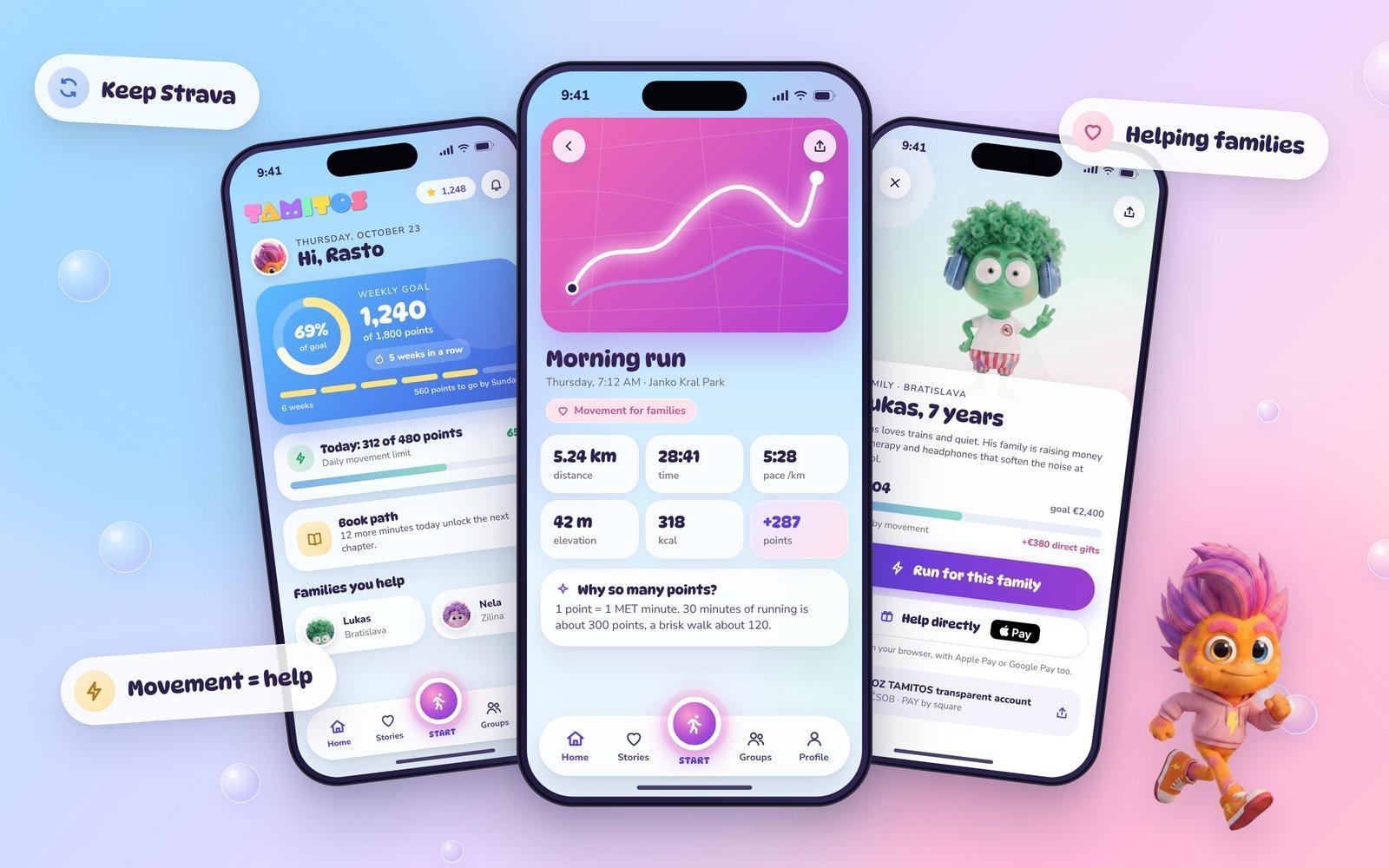
TAMITOS Move vs Strava: why run with an app that helps
TAMITOS Move is not just a charity app. It records your runs, walks and rides, gives you groups, photos, comme…
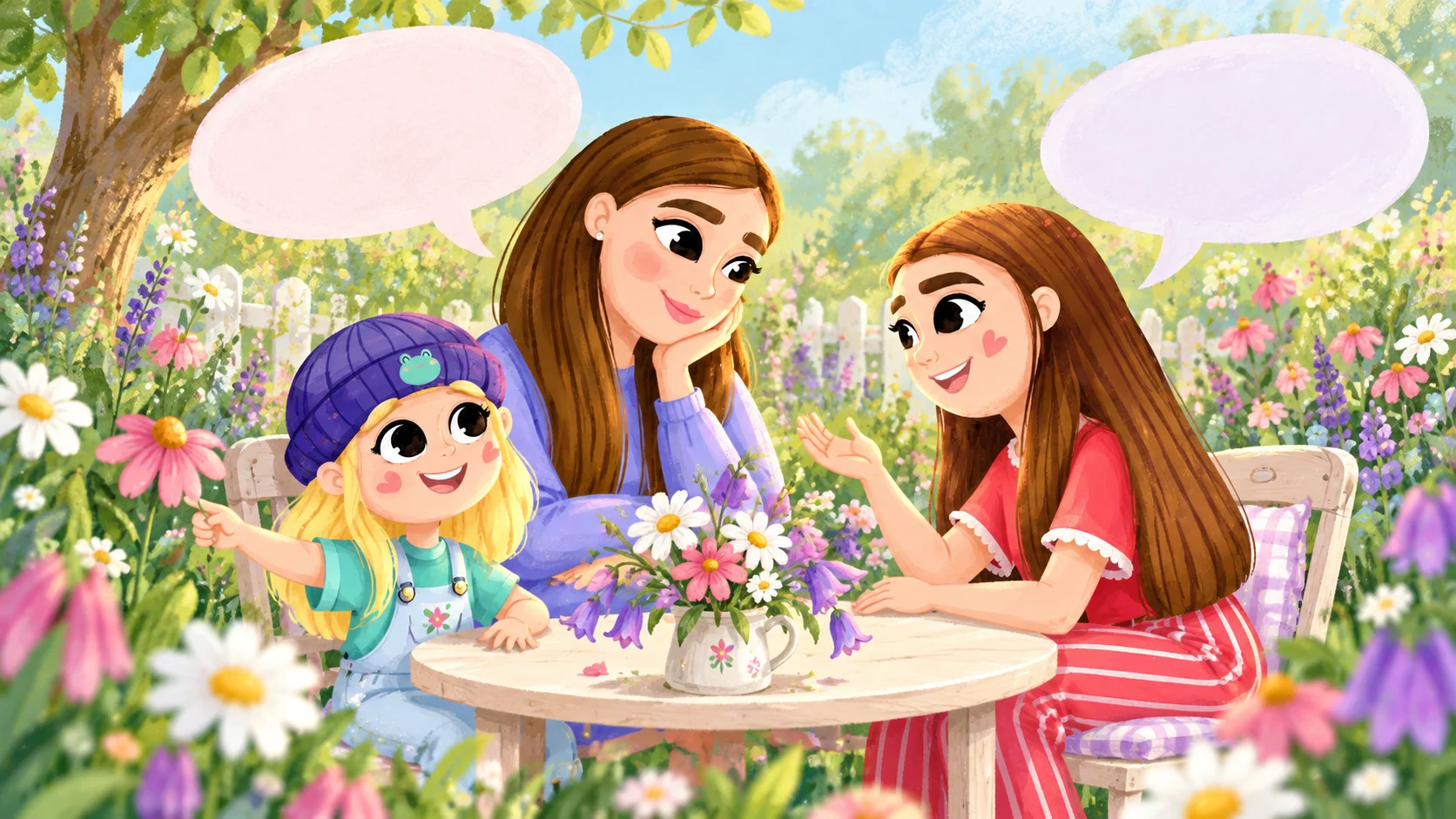
Autistic person or person with autism: why asking matters
Both “autistic person” and “person with autism” can belong in a respectful conversation. When referring to a p…
Leaving the playground: agreeing on the end of play
A final turn can mean different things to a parent and a child. Plan the end of playground time with honest ch…
 Free